
Fine Dining Restaurant Insurance
Insurance support for upscale restaurants, chef-driven concepts, wine-focused restaurants, and private dining operations
Fine dining restaurants often have higher property values, more specialized equipment, more expensive inventory, and greater income exposure than many other restaurant businesses.
Your insurance should reflect the restaurant you operate. Custom interiors, specialty ingredients, wine and spirits inventory, private dining, reservation systems, key people, liquor service, and business income can all affect how your coverage should be reviewed.
Concklin Insurance Agency helps fine dining restaurant owners review coverage for property, equipment, wine and liquor inventory, food spoilage, business income, liquor liability, workers' compensation, cyber liability, employment-related claims, private events, and long-term planning.
Why Fine Dining Restaurants Work With Concklin Insurance Agency
Restaurant Insurance Experience
Your restaurant may have insurance needs tied to high-value property, custom interiors, specialty equipment, wine and liquor inventory, business income, and private events.
Concklin Insurance Agency helps you review those needs as part of one organized insurance program.
High-Value Property and Inventory Review
Your restaurant may depend on custom interiors, specialty kitchen equipment, wine storage, liquor inventory, specialty ingredients, artwork, and other high-value property.
Concklin Insurance Agency helps you review those values so the insurance program reflects the restaurant you operate.
Liquor, Wine, and Private Event Exposure
Wine service, cocktails, private dining, tasting menus, chef's tables, and special events can create insurance questions that should be reviewed.
Concklin Insurance Agency helps you review coverage questions tied to private dining or off-site events.
Independent Agency Support
Fine dining restaurant insurance quotes should be compared by more than price.
As an independent insurance agency, Concklin Insurance Agency can help you compare options from multiple carriers so you understand what each quote includes, what it excludes, and how it fits your restaurant.
Insurance Built Around a Higher-Value Restaurant
A fine dining restaurant may include a custom dining room, specialty kitchen equipment, wine storage, private dining space, imported ingredients, curated spirits, high-end furniture, artwork, custom lighting, outdoor dining, or a significant tenant buildout.
Those details can affect property coverage, business personal property, betterments and improvements, equipment breakdown, spoilage coverage, utility interruption, and business income.
Your insurance should be reviewed around the values in the restaurant, how those values are documented, and how a covered loss could affect your ability to serve guests.
Wine, Liquor, and Temperature-Controlled Inventory
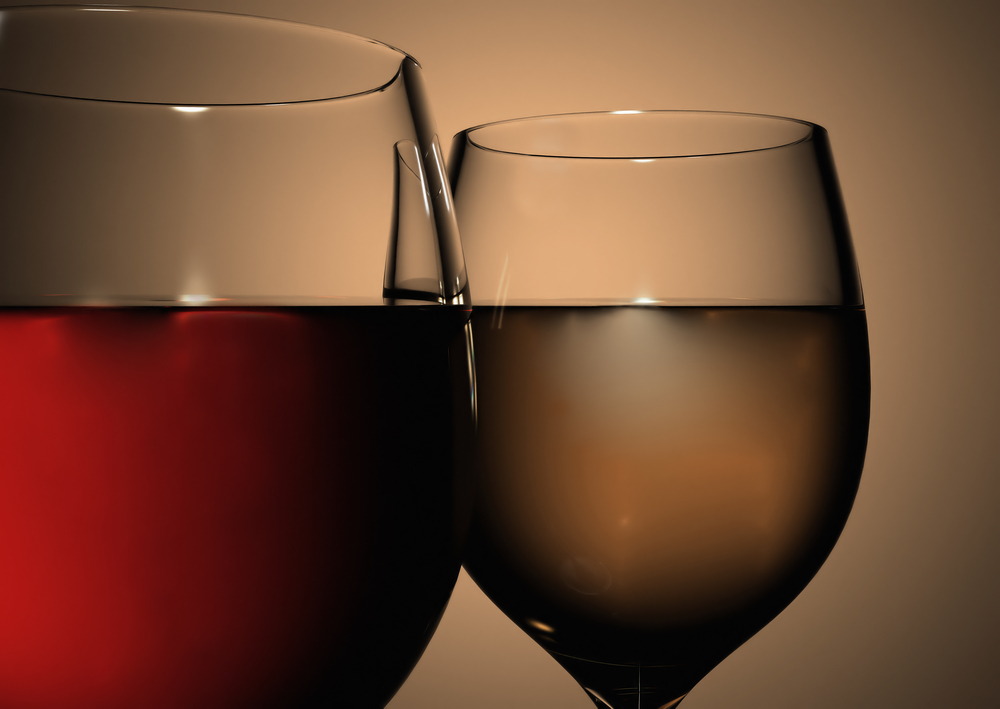
Wine, spirits, and specialty food inventory represent a significant investment.
Those items may depend on proper storage, refrigeration, humidity control, cellar temperature, power, equipment, and safe handling. A refrigeration failure, utility interruption, equipment breakdown, water loss, fire, theft, or contamination issue can affect inventory and revenue.
If your restaurant maintains a valuable wine list, cellar, bar inventory, or specialty spirits collection, those values should be reviewed separately so you understand how inventory-related losses may be handled.
Private Dining, Events, and Special Service
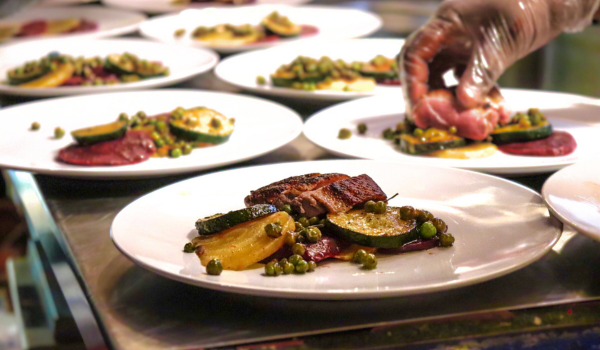
Fine dining restaurants may host private dinners, chef's tables, tasting menus, wine dinners, holiday events, corporate dinners, or off-site service.
These events may create insurance questions involving contracts, liquor service, customer injuries, property damage, transported property, event deposits, and whether the event is on-site or off-site.
If private dining or special events are a meaningful part of your revenue, the insurance review should consider both the liability exposure and the income that could be affected by a covered loss.

Key People and Reputation-Driven Revenue
A fine dining restaurant's reputation may depend on a small group of people.
If a chef, owner, partner, beverage director, general manager, or other key person dies, becomes disabled, leaves the restaurant, or can no longer work in the same role, the financial impact can extend beyond one position.
Insurance cannot replace the person, but it can be part of the planning conversation. Key person life insurance, disability planning, buy-sell planning, business continuation planning, and ownership transition planning may be worth reviewing when the restaurant depends heavily on one or two people.
Key Insurance Coverages for Fine Dining Restaurants
Your fine dining restaurant insurance program should be reviewed around the value of the restaurant, the inventory it depends on, the people involved, and the coverage requirements you need to satisfy.
General Liability
General liability insurance helps protect your business from certain injury and property damage claims involving customers, vendors, event guests, or other people who interact with your restaurant.
For a fine dining restaurant, this may include claims involving slips and falls, customer injuries, property damage, foodborne illness allegations, or incidents connected to the premises or a private event.
Business Interruption
Business interruption and income coverage can help replace certain lost income and extra expenses if a covered loss forces your restaurant to close or operate in a limited way.
Coverage is not automatic for every loss of sales. The cause of the interruption has to be covered by the policy, and the policy may include waiting periods, exclusions, or limits.
For a fine dining restaurant, business income should be reviewed around reservations, private dining, events, wine dinners, tasting menus, seasonal demand, equipment, inventory, and other revenue that could be affected by a covered loss.
Liquor Liability
Liquor liability should be reviewed if your restaurant sells or serves alcohol.
Fine dining restaurants may have meaningful exposure tied to wine service, cocktails, private events, tastings, or special dinners.
Some general liability policies may include limited protection for incidental alcohol exposure, but businesses that sell or serve alcohol need separate liquor liability coverage. If alcohol is part of your operation, review it with your insurance agent so you understand how alcohol-related claims are handled by the policy.
Employment Practices Liability
Employment practices liability insurance can help protect your business from certain employee-related claims, such as discrimination, harassment, wrongful termination, or retaliation.
For fine dining restaurant owners, EPLI should be reviewed around the way employment decisions are handled, including hiring, scheduling, supervision, discipline, termination, wage-and-hour concerns, tip-related concerns, and claims involving managers or supervisors.
Key Person Life Insurance
Key person life insurance may be worth reviewing when your restaurant depends on an owner, partner, chef, beverage director, general manager, or other key person whose death could create financial strain for the business.
This can be especially relevant for chef-driven restaurants, restaurants with business partners, or restaurants preparing for long-term ownership transition.
Commercial Property and Business Personal Property
Commercial property and business personal property coverage help protect the physical property used in your restaurant.
Depending on what you own and how the policy is written, this may include the building, kitchen equipment, refrigeration, furniture, fixtures, signage, inventory, wine storage, and other covered property used to operate the restaurant.
Wine and Liquor Inventory
Wine and liquor inventory should be reviewed carefully if your restaurant maintains a valuable wine list, cellar, bar inventory, or specialty spirits collection.
Coverage may depend on how the inventory is stored, how values are documented, what caused the loss, whether theft or breakage is involved, whether temperature control failed, and what limits or exclusions apply.
Workers' Compensation
Workers' compensation helps protect your employees and your business when someone is injured on the job.
For a fine dining restaurant, common injury concerns may include slips and falls, burns, cuts, lifting injuries, loading or unloading injuries, and accidents that happen when employees are moving quickly during service, events, or setup.
Utility Interruption
Utility interruption coverage should be reviewed because your restaurant depends on power, water, gas, internet, and other services to stay open.
A utility outage can affect refrigeration, wine storage, kitchen equipment, food inventory, online reservations, payment systems, and daily sales. Coverage depends on the policy, the cause of the outage, and whether utility interruption coverage is included.
Commercial Auto and Hired and Non-Owned Auto
Auto coverage should be reviewed if vehicles are used for restaurant business.
Commercial auto coverage applies when the business owns or leases vehicles used for catering, supply runs, manager use, event support, or other business purposes.
Hired and non-owned auto coverage should be reviewed when employees use personal, rented, or non-owned vehicles for work-related driving. That may include supply runs, bank deposits, manager errands, private event needs, or other business trips.
Hired and non-owned auto helps address liability exposure for the business, but it does not replace the employee's personal auto policy.
Betterments and Improvements
Betterments and improvements coverage should be reviewed if you have invested in a leased restaurant space.
This may include custom finishes, built-in bars, wine storage, lighting, flooring, fixtures, seating areas, kitchen improvements, outdoor dining improvements, or other buildout costs that may not belong to the building owner but may still need to be reviewed in the insurance program.
Commercial Umbrella
Commercial umbrella coverage can provide additional liability limits above certain underlying policies, such as general liability and commercial auto.
For a fine dining restaurant, umbrella coverage may be reviewed when customer traffic, liquor service, private events, lease requirements, auto exposure, business-owned vehicles, employee driving exposure, or multiple locations create the need for higher limits.
Equipment Breakdown
Equipment breakdown coverage may help with certain losses involving covered equipment failures.
This should be reviewed if your restaurant depends on refrigeration, cooking equipment, ovens, HVAC, electrical systems, wine storage systems, beverage systems, point-of-sale systems, or other equipment needed for daily service.
Food Spoilage and Contamination
Food spoilage and contamination coverage should be reviewed because fine dining restaurants may depend on specialty ingredients, prepared food, refrigerated inventory, and safe food handling.
Coverage may depend on what caused the loss, whether food had to be discarded, whether equipment failed, whether power was interrupted, and what limits or exclusions apply.
Cyber Liability
Cyber liability should be reviewed because many fine dining restaurants rely on reservation systems, online booking, payment processing, POS systems, customer communication tools, payroll systems, vendor accounts, loyalty programs, and event records.
A cyber event can affect reservations, payments, payroll, vendor access, customer information, and daily sales.
Crime Coverage
Crime coverage may help protect your business from certain losses involving theft, fraud, employee dishonesty, forgery, or other covered crime-related events.
This may be worth reviewing if employees handle cash, deposits, inventory, wine or liquor storage, vendor payments, or financial transactions.
Frequently Asked Questions
What insurance does a fine dining restaurant need?
The insurance a fine dining restaurant needs depends on the location, lease, property values, equipment, wine and liquor inventory, food inventory, sales, payroll, liquor service, private dining, prior claims, and whether the business operates one location or several.
Common coverages may includegeneral liability, commercial property, business income, equipment breakdown, utility interruption, food spoilage and contamination, liquor liability, workers' compensation, cyber liability, employment practices liability, commercial umbrella, crime coverage, key person life insurance, and auto coverage if vehicles are used for business purposes.
Does restaurant insurance cover expensive wine inventory?
Wine inventory may be covered, but it should not be assumed.
Coverage depends on how the policy treats wine and liquor inventory, how values are documented, where the inventory is stored, what caused the loss, and what limits or exclusions apply.
If your restaurant has a valuable wine list, cellar, or spirits collection, those values should be reviewed separately from general food inventory.
What happens if my wine cellar or refrigeration system fails?
A wine cellar, refrigeration, or temperature-control failure can affect food inventory, wine inventory, daily service, and future sales.
Coverage depends on the policy, the equipment involved, what caused the failure, whether equipment breakdown or spoilage coverage applies, and any limits or exclusions.
If temperature-controlled inventory is important to your restaurant, equipment breakdown, utility interruption, spoilage coverage, and business income should be reviewed together.
Does business income cover canceled reservations or private events?
Business income coverage does not automatically cover canceled reservations or private events.
Coverage depends on the policy, the cause of the loss, and whether a covered event forces the restaurant to close or operate in a limited way. The policy may also include waiting periods, exclusions, or limits.
If private dining, tasting menus, events, or seasonal reservations are important to your revenue, those income sources should be discussed with your insurance agent.
What insurance covers custom interiors and tenant improvements?
If you lease the restaurant space but paid for improvements, betterments and improvements coverage should be reviewed.
Custom finishes, built-in bars, wine storage, lighting, flooring, fixtures, seating areas, kitchen improvements, outdoor dining improvements, and other buildout costs may not belong to the building owner, but they may still need to be addressed in your insurance program.
Your lease should also be reviewed because it may explain who is responsible for insuring different parts of the space.
Should chef-owned restaurants review key person coverage?
Yes, key person coverage may be worth reviewing when the restaurant depends heavily on an owner, chef, partner, general manager, beverage director, or other key person.
If that person dies, becomes disabled, or can no longer work in the same role, the financial impact may affect revenue, lender relationships, ownership planning, vendor relationships, and business continuity.
Key person life insurance, disability planning, buy-sell planning, and business continuation planning may be part of that review.
How do I compare insurance quotes for a high-end restaurant?
Fine dining restaurant insurance quotes should be compared by more than price.
Review the coverage types, limits, deductibles, exclusions, and any endorsements that affect how the policy responds.
A lower premium may not be the better option if important coverage is missing, property values are understated, business income limits are too low, or wine and specialty inventory are not addressed clearly.
An independent insurance agent, like Concklin Insurance Agency, can help you compare quotes from multiple carriers so you understand what each option includes, what it excludes, and how each quote fits your restaurant.
Do private dining events need to be handled differently from regular dinner service?
Private dining events may need additional review because they can create different insurance questions than regular dinner service.
A private dinner, chef's table, wine dinner, tasting menu, corporate event, or holiday party may involve contracts, deposits, liquor service, event-specific requirements, private rooms, off-site service, transported property, or higher guest counts in a concentrated space.
If private events are part of your restaurant, review how your general liability, liquor liability, umbrella, property, business income, and hired and non-owned auto coverage may apply.
Do I need higher umbrella limits because of the area, clientele, or type of service?
Commercial umbrella limits should be reviewed when the potential severity of a claim could exceed the limits on your underlying policies.
For a fine dining restaurant, higher limits may be worth discussing if the restaurant serves alcohol, hosts private events, serves a large number of guests, has valet or transportation exposure, or has lease or contract requirements that call for higher limits.
Your agent can help you review your current limits, underlying policies, contract requirements, and claim exposures so you can decide whether additional umbrella coverage makes sense.
What happens if it takes months to rebuild my dining room, kitchen, or wine storage area?
A serious property loss can take longer to recover from when the restaurant has custom finishes, specialty kitchen equipment, wine storage, private dining areas, or a highly designed dining room.
Business income coverage may help replace certain lost income and extra expenses if a covered loss forces your restaurant to close or operate in a limited way, but coverage depends on the policy, the cause of the loss, waiting periods, limits, and the period of restoration.
For a fine dining restaurant, it is important to review whether your business income limits and restoration period reflect how long it could take to rebuild, replace specialty equipment, restore custom interiors, restock inventory, and return to normal service.
What documentation do I need for expensive wine, liquor, artwork, furniture, or specialty equipment?
Documentation can help support property values before there is a claim.
For expensive wine, liquor, artwork, furniture, or specialty equipment, useful records may include purchase invoices, appraisals, inventory lists, photographs, equipment schedules, maintenance records, storage details, and records showing where items are located.
If your restaurant owns high-value inventory, artwork, custom furniture, or specialty equipment, review those values with your insurance agent so the property is listed, valued, and documented appropriately within the insurance program.
Request a Quote
Insurance Insights and Risk Management Guidance
Our blog articles help you stay informed and make more confident insurance decisions.
Talk with a Restaurant Insurance Specialist





Client Resources
Client Portal
The Zywave portal gives Concklin clients access to professionally written insurance, HR, safety, compliance, and risk management resources. Content can be tailored by industry, state, and preference, with email updates available when new resources are added. Contact your Concklin representative with any questions.
Client Advocacy
Independent agents can serve as trusted advisors before and after coverage is bound. If a claim occurs, we can help you understand the process, communicate with the carrier, and gather information needed for the claim. Being in your corner means being there every step of the way, from helping you decide if a claim should be filed to talking with claims adjusters, the wellbeing of our clients is our number one priority.
Cyber Resources
Cyber threats can create serious costs for small businesses, including breach response, forensic work, customer notifications, legal expenses, and reputational damage. Concklin Insurance Agency offers cyber liability insurance, along with resources to help business owners better understand and reduce their cyber risk.
Request a Fine Dining Restaurant Insurance Quote
Your fine dining restaurant may depend on expensive property, specialty inventory, private dining, liquor service, reservation-driven revenue, and key people.
Concklin Insurance Agency can help you review your coverage, compare options, and build an insurance program around the restaurant you operate.