Skip to content

Quick-Service Restaurant (QSR) Insurance

Insurance support for quick-service and fast-casual restaurants

Running a quick-service restaurant means managing speed, customer volume, equipment, food inventory, online ordering, pickup, drive-thru traffic, delivery relationships, and daily service.

Your insurance should reflect how your restaurant operates. A QSR or fast-casual restaurant may have risks tied to customer injuries, employee injuries, kitchen equipment, food spoilage, property damage, cyber systems, business interruption, lease requirements, franchise requirements, and coverage needs tied to multiple locations.

Concklin Insurance Agency helps quick-service and fast-casual restaurant owners review coverage, organize renewals, respond to claims, and build an insurance program around the way the business operates.


Insurance for Quick-Service and Fast-Casual Restaurants

Quick-service and fast-casual restaurants are built around efficiency.

Your restaurant may serve customers at a counter, through a drive-thru, through mobile ordering, through third-party delivery platforms, or through a mix of service models. Each part of the operation can affect insurance.

Concklin helps you review the risks connected to your restaurant's property, employees, equipment, customer flow, online systems, food inventory, delivery relationships, lease requirements, franchise requirements, and business income.

Why Quick-Service Restaurants Work With Concklin

30 Years of Restaurant and Franchise Insurance Experience

Concklin Insurance Agency has worked with restaurant and franchise businesses for more than 30 years. That experience helps us understand the insurance questions that come up when you are opening a location, renewing coverage, adding delivery, reviewing a claim, or expanding into additional restaurants.

QSR, Fast-Casual, and Franchise Knowledge

Your restaurant may operate as an independent QSR, a fast-casual concept, a franchise location, or part of a larger restaurant group.

Concklin helps you review coverage around the details that shape the business, including service model, equipment, employees, food inventory, online ordering, drive-thru traffic, delivery relationships, and multi-location operations.

Independent, Franchise, and Multi-Location Operators

Whether you operate one restaurant, several locations, or a QSR franchise, your insurance program should stay organized as the business changes.

Concklin helps you review how locations, leases, business entities, claims history, and coverage limits fit together.

Family-Owned Support for Business Owners

Concklin is a family-owned insurance agency that works with business owners who need practical guidance, responsive support, and an organized insurance process.

Our team helps with coverage reviews, renewals, claims questions, policy changes, and growth planning.

Featured Restaurant Franchisee Programs

Dominos_Reg_Box_NewLogo-1-1-2

Domino's Franchisee Insurance

Insurance support for Domino's franchisees with coverage needs tied to delivery, commercial auto, hired and non-owned auto, workers' compensation, property, business income, cyber liability, employment-related claims, and multi-location insurance planning.
Jersey Mikes Logo-1

Jersey Mike's Franchisee Insurance

 Insurance support for Jersey Mike’s franchisees with coverage needs tied to property, business personal property, workers’ compensation, business income, catering, third-party delivery relationships, cyber liability, employment-related claims, and multi-location insurance alignment. 
Black-Jack-Pizza-Locations-Logo-2-1

Blackjack Pizza Franchisee Insurance

 Insurance support for Blackjack Pizza franchisees with coverage needs tied to delivery, carryout, employee driving exposure, commercial auto, hired and non-owned auto, workers’ compensation, equipment, food inventory, business income, and coverage changes as locations grow or are added. 

mogu-1

MÓGŪ Modern Chinese Kitchen Franchisee Insurance

Insurance support for MÓGŪ Modern Chinese Kitchen franchisees with coverage needs tied to new locations, kitchen equipment, food inventory, workers’ compensation, business income, online ordering and delivery, catering, and insurance planning for additional locations. 
QSR Franchise Insurance Guide_1

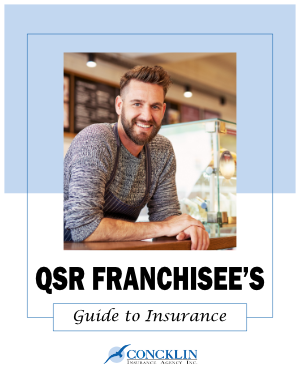
Get the Free QSR Franchisee Insurance Guide

Understanding insurance for a quick-service restaurant can be difficult, especially when you are opening a new location, reviewing franchise requirements, or comparing coverage options.

Concklin's Quick-Service Restaurant Insurance Guide explains common coverage needs, workers' compensation, auto insurance, property coverage, EPLI, additional coverage options, and what to consider when choosing an insurance agent.

Looking for a More Specific Restaurant Type?

Dominos

Franchise Restaurants

Franchise restaurants come with added insurance questions. You may need to satisfy brand requirements, lease requirements, lender requirements, and certificate requests while still protecting the way the location operates.

Concklin helps franchisees organize coverage across one location, multiple locations, or multiple brands, including property, employees, business income, delivery, renewals, claims, and future growth.
person-holding-a-slice-of-pepperoni-pizza-2022-11-08-07-47-39-utc2-1-1

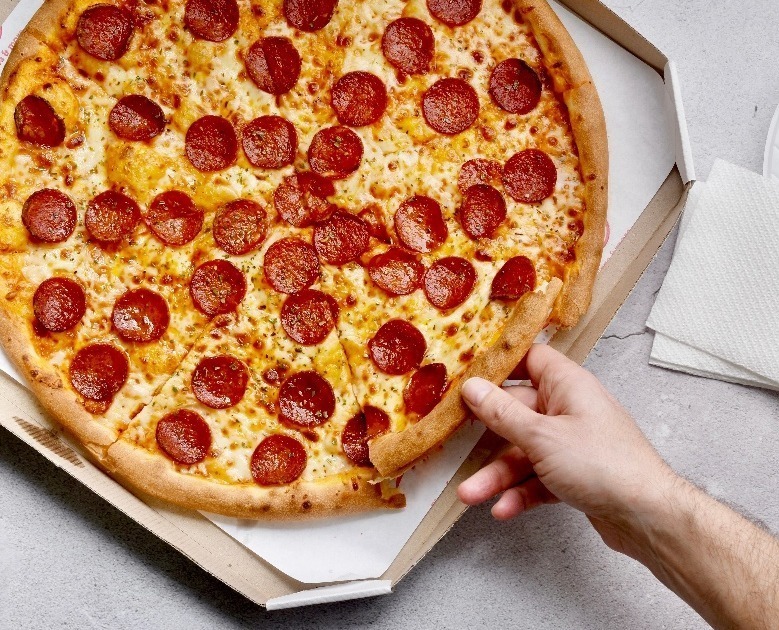
Pizza Restaurants

Pizza restaurants often have delivery, carryout, online ordering, hot equipment, food inventory, and auto exposure tied directly to daily revenue.

Concklin helps pizza restaurant owners review coverage for delivery drivers, employee-owned vehicles, commercial auto, hired and non-owned auto, ovens, refrigeration, spoilage, workers' compensation, business interruption, and cyber systems.
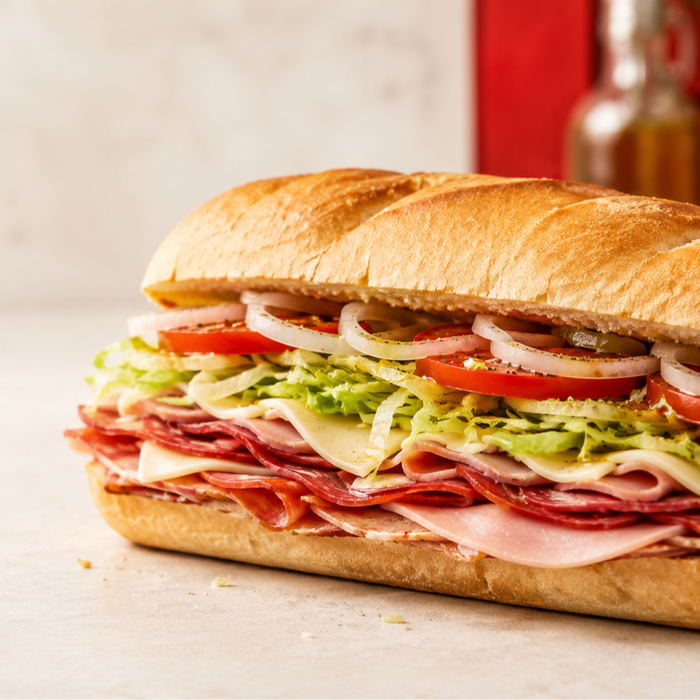
generic sub sandwhich-1-1

Delis & Sandwich Shops

Delis and sandwich shops may rely on high customer volume, food prep, catering, pickup orders, third-party delivery, and fresh inventory moving quickly through the business.

Concklin helps deli and sandwich shop owners review coverage for employees, property, equipment, food inventory, customer traffic, catering, delivery relationships, and business income.

Key Insurance Coverages for Quick-Service Restaurants

Your QSR insurance program should be reviewed around the way your restaurant operates, including employees, customer traffic, property, equipment, inventory, online ordering, drive-thru exposure, delivery relationships, and business interruption.

General Liability

General liability insurance helps protect your business from certain injury and property damage claims involving customers, vendors, delivery partners, or other people who interact with your restaurant.

Business Personal Property

Business personal property coverage helps protect property used in your restaurant, such as equipment, supplies, furniture, fixtures, inventory, and point-of-sale systems, whether you own or lease the building.

Betterments and Improvements

Betterments and improvements coverage should be reviewed when you have invested in improvements to leased space, such as counters, fixtures, finishes, signage, menu boards, pickup areas, drive-thru equipment, or kitchen buildout.

Food Spoilage and Contamination

Food spoilage and contamination coverage should be reviewed because your restaurant depends on ingredients, prepared food, refrigerated inventory, and safe food handling.

Commercial Auto

Commercial auto coverage should be reviewed if your business owns or leases vehicles used for delivery, catering, supply runs, manager use, or other business purposes.

Commercial Umbrella

Commercial umbrella coverage can provide additional liability limits above certain underlying policies, such as general liability, commercial auto, and employer's liability.

Employment Practices Liability

Employment practices liability insurance can help protect your business from certain employee-related claims, such as discrimination, harassment, wrongful termination, or retaliation.

Liquor Liability

Liquor liability should be reviewed if your quick-service or fast-casual restaurant sells or serves alcohol.

Commercial Property

Commercial property insurance helps protect the physical assets of your restaurant when you own the building, including the building, buildout, kitchen equipment, furniture, fixtures, signage, supplies, food inventory, and other business property.

Business Interruption

Business interruption coverage can help replace certain lost income and extra expenses if a covered loss forces your restaurant to close or operate in a limited way.

Equipment Breakdown

Equipment breakdown coverage may help with certain losses involving covered equipment failures, including cooking equipment, refrigeration, beverage systems, HVAC, electrical systems, and point-of-sale systems..

Workers' Compensation

Workers' compensation helps protect employees and the business when someone is injured on the job.

Hired and Non-Owned Auto

Hired and non-owned auto coverage should be reviewed when employees use personal vehicles for deliveries, supply runs, bank deposits, catering orders, or other work-related driving.

Cyber Liability

Cyber liability should be reviewed because your restaurant may rely on online ordering, payment processing, delivery platforms, customer communication, payroll systems, scheduling tools, vendor accounts, loyalty programs, and point-of-sale systems.

Crime Coverage 

Crime coverage may help protect your business from certain losses involving theft, fraud, employee dishonesty, forgery, or other covered crime-related events.

Key Person Life Insurance

Key person life insurance may be worth reviewing when your business depends on an owner, partner, or key leader whose death could create financial strain for the restaurant.

Request a Quote

The Hidden Risk of Third-Party Delivery Services

In today's fast-paced world, third-party delivery services like DoorDash, Uber Eats, Grubhub, Postmates, and Instacart have become essential for restaurants and other businesses. These services offer a convenient way to reach customers, boosting sales and expanding market reach. However, they also come with hidden risks that many business owners might not be fully aware of. One of the most significant risks is the potential liability for accidents caused by delivery drivers. This is where hired and non-owned auto liability insurance becomes crucial.


Frequently Asked Questions


What insurance does a quick-service restaurant need?

A quick-service restaurant may need general liability, commercial property, business personal property, business interruption, workers' compensation, commercial umbrella, cyber liability, employment practices liability, commercial auto, and hired and non-owned auto coverage.

The right insurance program depends on your restaurant's service model, property, equipment, food inventory, online ordering, delivery relationships, drive-thru exposure, lease requirements, franchise requirements, and number of locations.

How much does QSR insurance cost?

The cost of QSR insurance depends on factors such as sales, payroll, number of employees, property values, equipment values, location, lease requirements, delivery exposure, auto exposure, prior claims, coverage limits, and the policies included in the program.

A single independent location will usually be reviewed differently than a multi-location restaurant group or franchisee with higher sales, more employees, more equipment, and more customer traffic.

Do I need cyber insurance if my restaurant uses online ordering or a POS system?

Cyber liability should be reviewed if your restaurant relies on online ordering, payment processing, POS systems, loyalty programs, delivery platforms, vendor accounts, scheduling software, payroll systems, or customer communication tools.

A cyber event can interrupt more than customer data. It can affect ordering, payments, payroll, delivery coordination, vendor access, and daily operations.

What happens if someone gets hurt in my drive-thru?

A drive-thru accident may involve general liability, property coverage, workers' compensation, umbrella liability, or more than one policy.

The answer depends on what happened, who was involved, whether there was damage, whether someone was injured, and how the insurance program is structured.

Does business interruption insurance cover a temporary restaurant shutdown?

Business interruption insurance does not automatically cover every shutdown or loss of sales.

Coverage depends on the policy, the cause of the loss, and whether a covered event forces the restaurant to close or operate in a limited way. Some policies may also have waiting periods, exclusions, or limits that affect how lost income is handled.

Online ordering can create another issue. Your restaurant may still be physically open, but lose sales because online ordering, payment processing, delivery coordination, or a third-party platform is down. That type of loss is not always handled the same way as a property-related shutdown, so it should be discussed with your insurance agent before there is a claim.

What happens if a power outage shuts down my restaurant?

A power outage does not automatically mean the lost income, spoiled food, or extra expenses will be covered.

The answer depends on the policy, the cause of the outage, where the outage occurred, how long the restaurant was affected, and whether the policy includes coverage such as utility interruption, food spoilage, equipment breakdown, business interruption, or extra expense coverage.

Your policy should be reviewed before a loss so you understand how power outages away from your property are handled.

What happens if food spoils after an outage or equipment failure?

Spoiled food may be covered under certain property, spoilage, equipment breakdown, utility interruption, or food contamination coverage, depending on the policy and the cause of loss.

Restaurants should review refrigerated inventory, prepared food, ingredients, and any coverage limits before assuming a spoilage claim will be covered.

Am I responsible for problems with third-party delivery orders?

Third-party delivery can create insurance questions even when your restaurant does not employ the driver.

Your own insurance program may still need to address delivery-related claims, auto accidents,  food issues, and contract requirements tied to the delivery platform.

Do I need commercial auto insurance if employees use their own vehicles?

Commercial auto insurance is usually reviewed when the business owns or leases vehicles.

If employees use their own vehicles for deliveries, supply runs, bank deposits, catering orders, or other work-related driving, hired and non-owned auto coverage should also be reviewed.

Can I insure multiple QSR locations under one program?

Multiple QSR locations may be able to be organized under one insurance program, depending on the business structure, locations, carriers, policies, and coverage needs.

This can help align renewals, limits, entities, property values, equipment, vehicles, employees, claims history, and coverage changes.

Can Concklin still insure me if my QSR franchise is not listed?

Yes. Concklin can help review insurance for QSR franchisees not included in our featured programs.

The review can include franchise requirements, lease requirements, property, employees, equipment, food inventory, delivery relationships, auto exposure, cyber systems, business income, and future growth.

What information do I need for a QSR insurance quote?

Helpful information may include the restaurant address, business entity, lease requirements, franchise requirements, estimated sales, payroll, number of employees, building ownership, property values, equipment values, food inventory, delivery details, vehicle information, current policies, and prior claims.

Insurance Insights and Risk Management Guidance

Our blog articles help you stay informed and make more confident insurance decisions.

Talk to a QSR Insurance Specialist


Craig Concklin

Craig Concklin

craig@concklin.com

President

See My Bio

Michael Mormando-1

Michael Mormando

michael@concklin.com

Agent/Producer

See My Bio

Mike O 2020 website

Michael O'Donnell

mikeo@concklin.com

Agent/Producer

See My Bio


Christine Lee Headshot 2021 website-1

Christine Lee

christine.lee@concklin.com

Agent/Producer

See My Bio

Peter 2

Peter Mormando

peter@concklin.com

Agent/Producer

See My Bio

Client Resources


Client Portal

The Zywave portal gives Concklin clients access to professionally written insurance, HR, safety, compliance, and risk management resources. Content can be tailored by industry, state, and preference, with email updates available when new resources are added. Contact your Concklin representative with any questions.

Client Advocacy

Independent agents can serve as trusted advisors before and after coverage is bound. If a claim occurs, we can help you understand the process, communicate with the carrier, and gather information needed for the claim. Being in your corner means being there every step of the way, from helping you decide if a claim should be filed to talking with claims adjusters, the wellbeing of our clients is our number one priority.

Cyber Resources

Cyber threats can create serious costs for small businesses, including breach response, forensic work, customer notifications, legal expenses, and reputational damage. Concklin Insurance Agency offers cyber liability insurance, along with resources to help business owners better understand and reduce their cyber risk.

Request an Insurance Review

Concklin Insurance Agency can help you review your current program, compare coverage options, and build an insurance plan around your business's unique needs